St John NT acknowledges the traditional custodians of the lands and seas on which we live and work, and pay our respects to elders past, present and emerging.

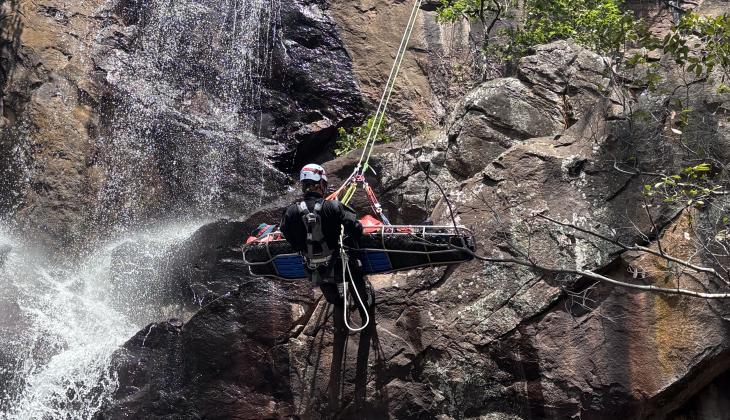
From steep escarpments to isolated bushland, St John NT paramedics are building specialist skills to reach, treat and rescue patients where ambulances can’t go.
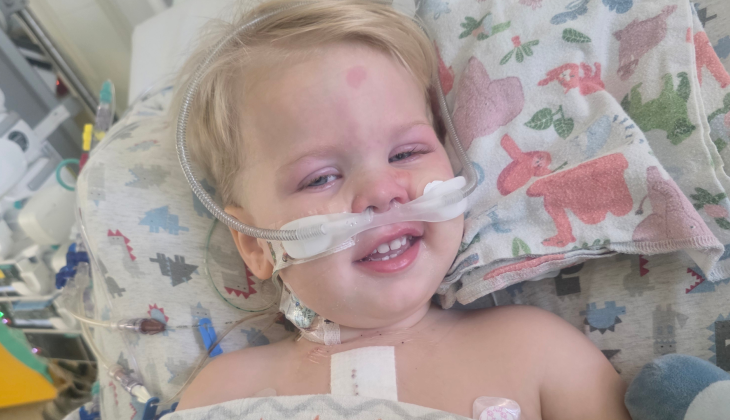
At just 22 months old, Beau went into cardiac arrest because of a rare medical condition. Now recovering well and back to being an energetic toddler, Beau's mum Amanda is sharing their story to highlight the importance of being ready to respond to a cardiac arrest.
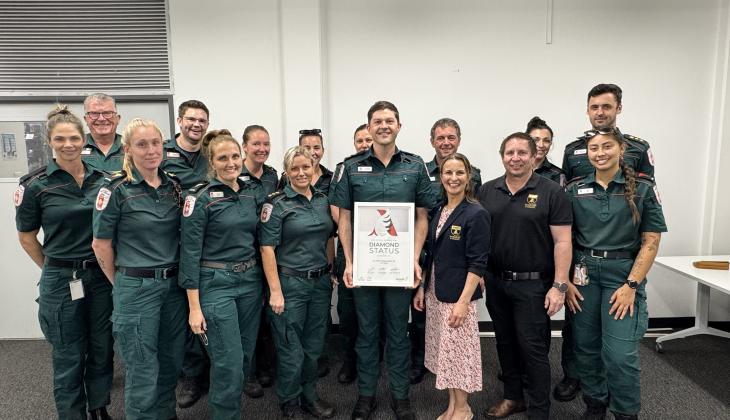
St John NT has received international recognition for stroke care, with the Top End achieving Diamond status and Central and Big Rivers also recognised through the 2026 World Stroke Organization EMS Angels Awards.
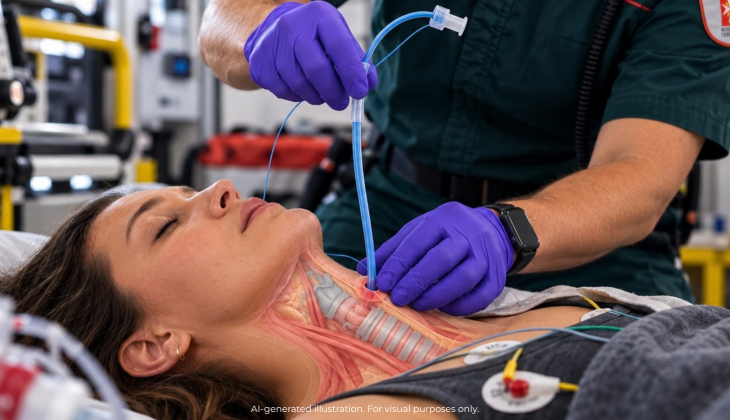
St John NT has reinstated FONA and finger thoracostomy to its Intensive Care Paramedic scope of practice following specialist HALO training and credentialling. Ten ICPs and all six ICP interns have completed advanced training in the rarely used, time-critical procedures.
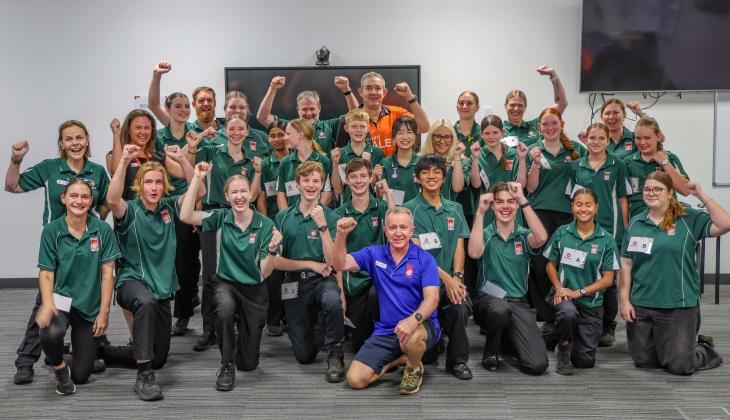
The 2026 St John NT Youth Competition tested young Territorians’ first aid, leadership, teamwork and decision-making through realistic flood response scenarios. Parap Youth Division were named NT champions, while Katherine youth member Neveah Willcox drew on her own flood experience to help lead her team through the major simulation.
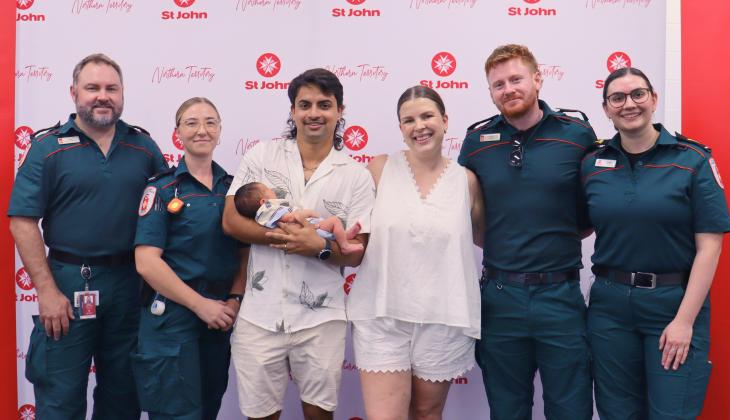
Baby Austin made a memorable entrance, arriving in an ambulance on a Palmerston roadside, with four St John NT paramedics helping first-time mum Bonnie deliver safely. For two crew members, it was their first on-road delivery. The family later reunited with the paramedics for thanks and plenty of baby cuddles.
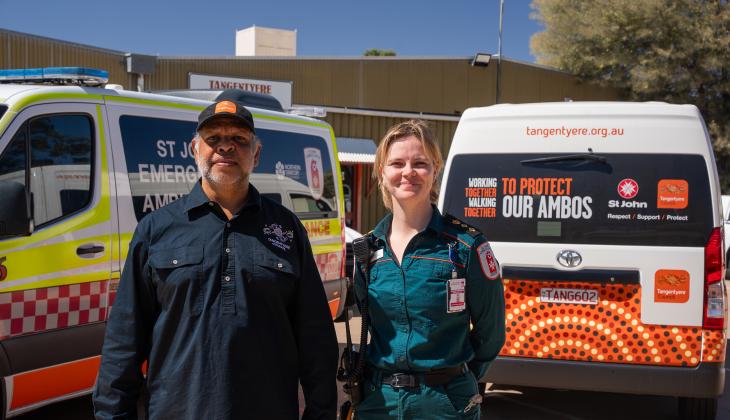
St John NT and Tangentyere Council are partnering to strengthen culturally safe healthcare for Aboriginal communities across Central Australia. Grounded in mutual respect and recognition of Aboriginal community leadership, the partnership will support reciprocal learning, deeper cultural understanding and stronger relationships between communities and frontline emergency healthcare providers.
In the last year our we answered more than 101,000 Triple Zero (000) calls from across the Northern Territory. Our service included:



We've been taking care of Territorians for over 70 years, trust us to take care of your first aid training needs.